Lewis: A Bold Font for Business Branding
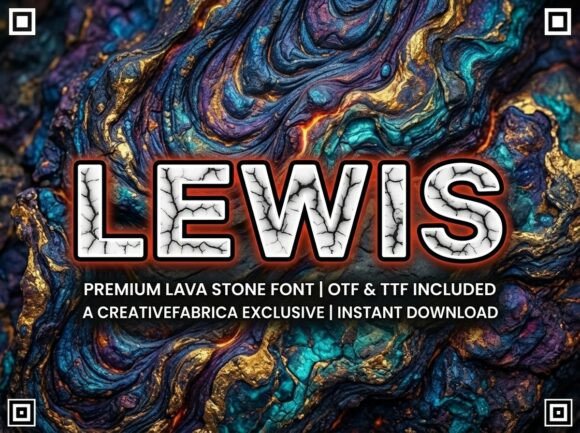
As a small business owner, I've learned that typography is one of the most powerful tools in shaping how customers perceive your brand. Whether it's a bakery box, a candle label, or a menu, the right font can make all the difference. That’s why I was drawn to Lewis, a monumental display font that captures a primordial-and-tectonic soul. Its massive, rounded sans-serif letterforms are meticulously detailed and perfect for making a strong visual statement.
Lewis for Bakery Packaging and Product Labels
When I first tested Lewis on a bakery packaging project, I was immediately struck by its presence. The rounded edges give it a friendly yet bold feel, which works well for a brand that wants to feel approachable but professional. For product labels, especially on items like artisanal breads or pastries, Lewis adds a sense of quality and craftsmanship. It doesn’t overpower the design, but it definitely commands attention.
One thing to keep in mind is that Lewis shines best when used for headlines or short phrases. It’s not the best choice for long paragraphs, but as a display font, it excels at creating memorable visual moments. Pair it with a clean sans serif for body text, and you get a balanced look that feels both modern and intentional.
Lewis for Candle Jars and Skincare Labels
For a candle seller looking to refresh their branding, Lewis offers a unique opportunity to stand out. The font’s tectonic energy gives it a sense of strength and authenticity, which aligns well with natural and handmade products. On a candle jar, it can be used for the brand name or a tagline that conveys calmness or luxury.
When working with skincare labels, where clarity and trust are key, Lewis can still be effective if used thoughtfully. It’s important to ensure there’s enough white space around the text so it remains legible, especially on smaller labels. The font’s rounded shapes also help soften the overall look, making it feel more inviting than aggressive.
Lewis for Café Menus and Online Shop Banners
Updating a café menu can be a game-changer for customer experience. Using Lewis for the header or section titles brings a sense of cohesion and visual interest. It pairs well with minimalist layouts, allowing the design to feel fresh without being overwhelming. For online shop banners, where first impressions matter, Lewis can be a great choice for highlighting promotions or new arrivals.
On digital platforms, such as Instagram or social media graphics, Lewis works well for thumbnails or promotional headers. Its boldness makes it easy to read from a distance, which is essential for quick engagement. Just remember to test it at different sizes to ensure it remains clear and impactful across all devices.
Lewis for Boutique Tags and Handmade Product Packaging
Boutique owners often rely on typography to tell their brand story. Lewis is ideal for tags or packaging that needs to feel distinctive but not too flashy. Its rounded forms add a human touch, which is perfect for handmade or artisanal products. When paired with a subtle texture or background, it can elevate the entire package without needing extra embellishments.
For small businesses that want to build a consistent brand identity, Lewis can serve as a signature element. It’s versatile enough to work across multiple touchpoints—whether it’s a business card, a thank-you note, or a sticker. The key is to use it intentionally and avoid overloading designs with too many fonts.
Lewis for Brand Identity and Creative Projects
From a creative consultant’s perspective, Lewis is a valuable addition to any design toolkit. Its combination of strength and warmth makes it suitable for a wide range of industries, from wellness brands to tech startups. As a display font, it’s perfect for logos, signage, and other eye-catching elements that need to communicate a strong message quickly.
Before using Lewis on client projects or personal branding, it’s worth checking the available styles, file formats, and licensing options. Making sure the font is compatible with your workflow and meets commercial use requirements is essential. Once that’s confirmed, it becomes a powerful tool for creating a cohesive and memorable brand presence.